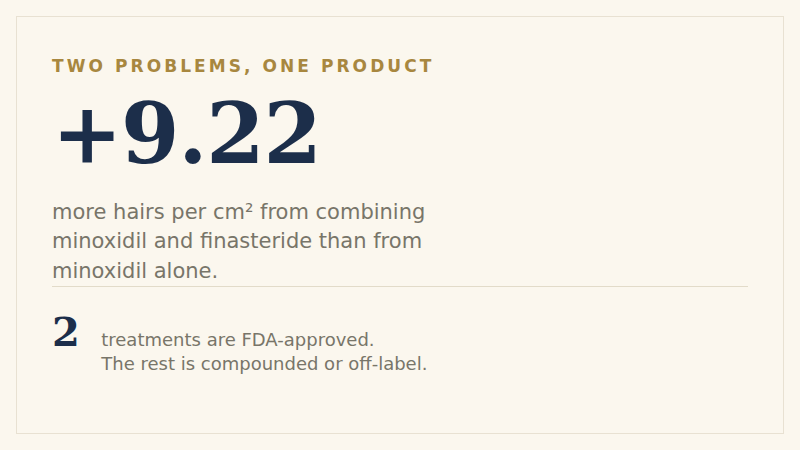
Minoxidil and finasteride act on completely different parts of the problem, which is why combining them does measurably more than either alone. It is also why only two of the six options in common use are FDA-approved.
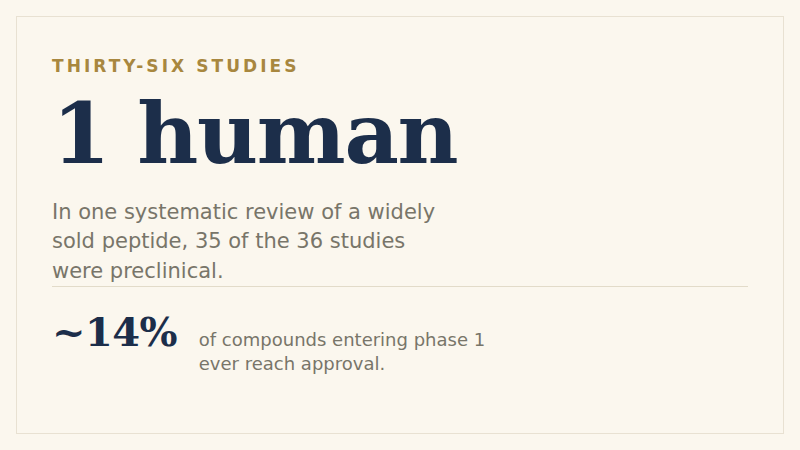
One systematic review of a widely sold peptide found 36 studies. Thirty-five were preclinical. A physician on the difference between a real finding and a finding described as more than it was.
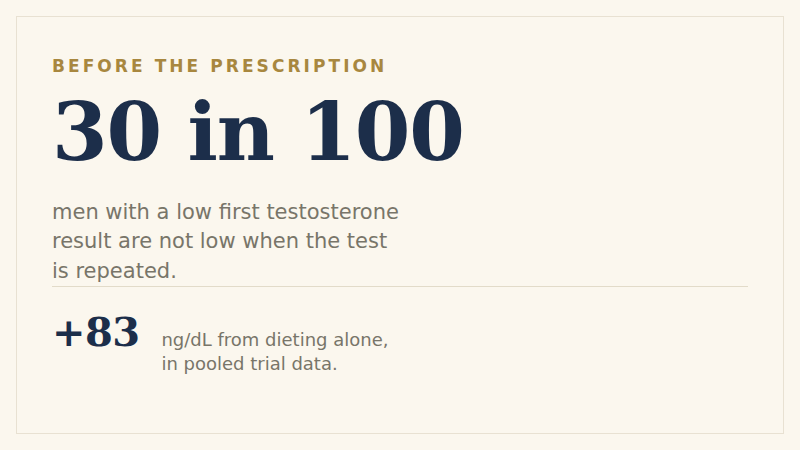
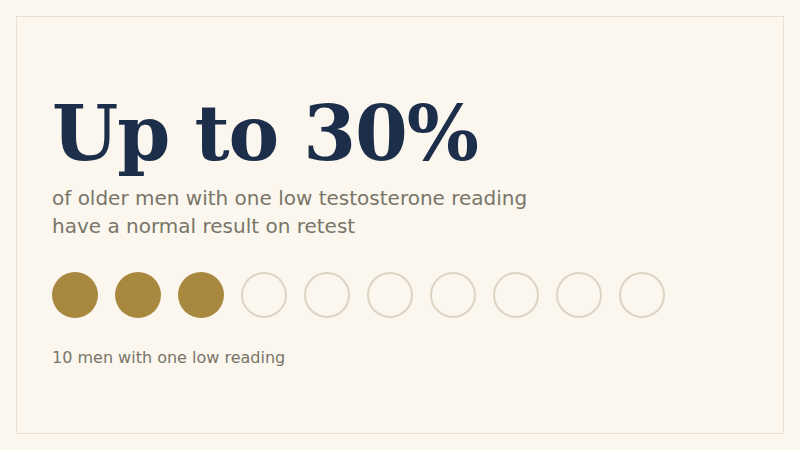
A low result is a finding, not a diagnosis. Three men in ten are no longer low on a second test — and for the rest, dieting alone moved testosterone by more than twice the distance between a borderline result and the diagnostic cut-off.
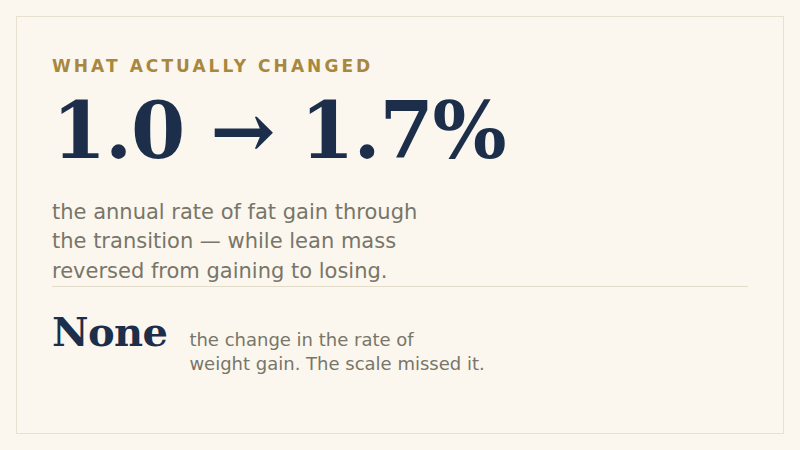
Your metabolism did not slow down at 45, and your discipline did not lapse. What changed is body composition, in a window of about three and a half years — and the number you have been using to keep score is the one that changed least.
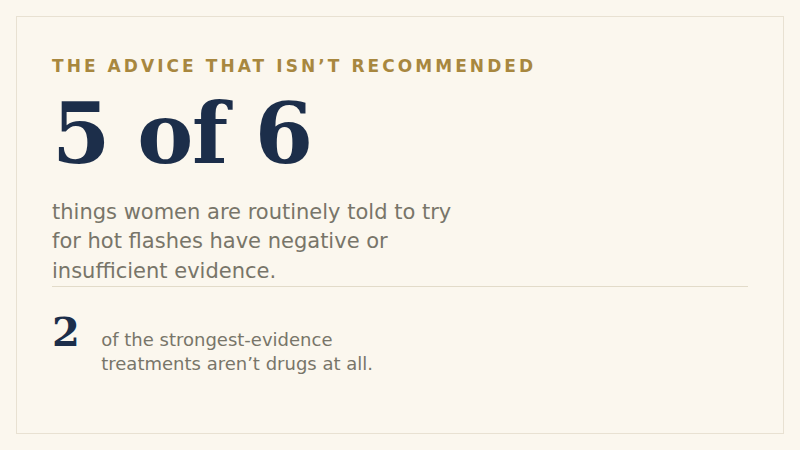
Five of the six things women are routinely told to try for hot flashes have negative or insufficient evidence behind them. Two of the strongest-evidence treatments aren't drugs at all — and are almost never offered.
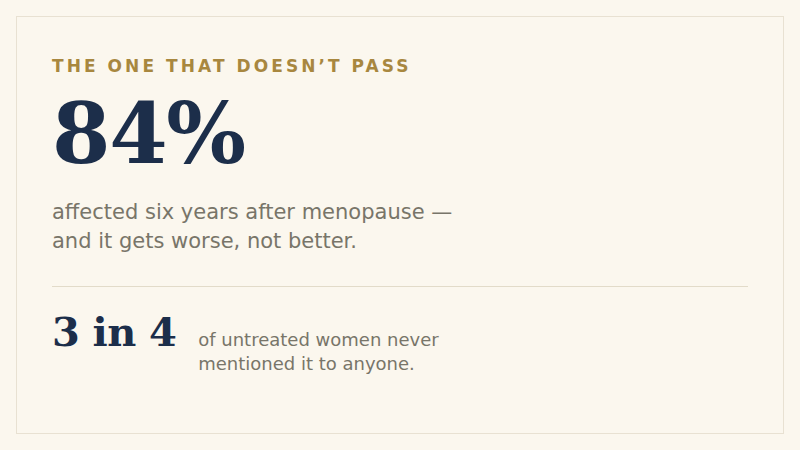
84% of women are affected six years after menopause, and three-quarters of those going untreated have never mentioned it to a clinician. It is the most treatable, least treated part of menopause care.
Three things get monitored for good reasons, one gets monitored constantly that neither guideline recommends, and the schedule matters more than the size of the panel.
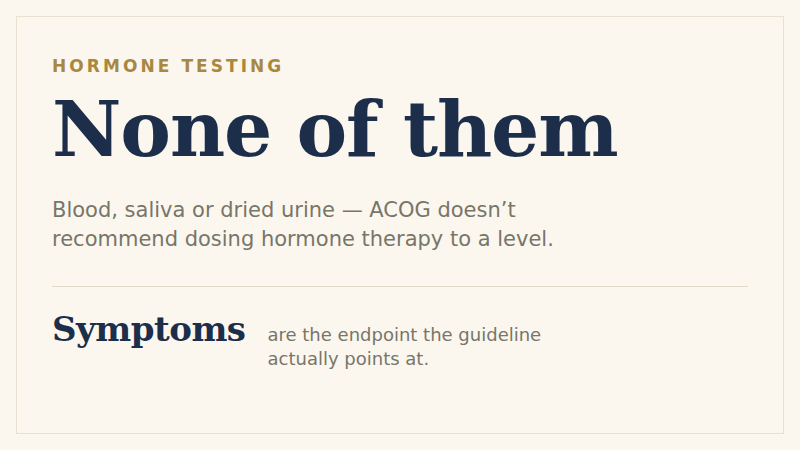
Saliva isn't validated for sex hormones and dried urine isn't established for guiding therapy - but the bigger point is that even blood isn't recommended for dosing.
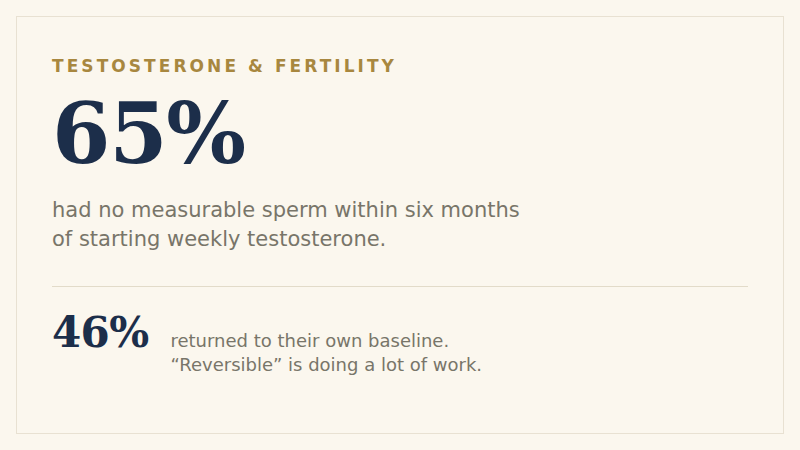
65% of men on weekly testosterone had no measurable sperm within six months. Recovery is likely but slower and less complete than the headline figures suggest.
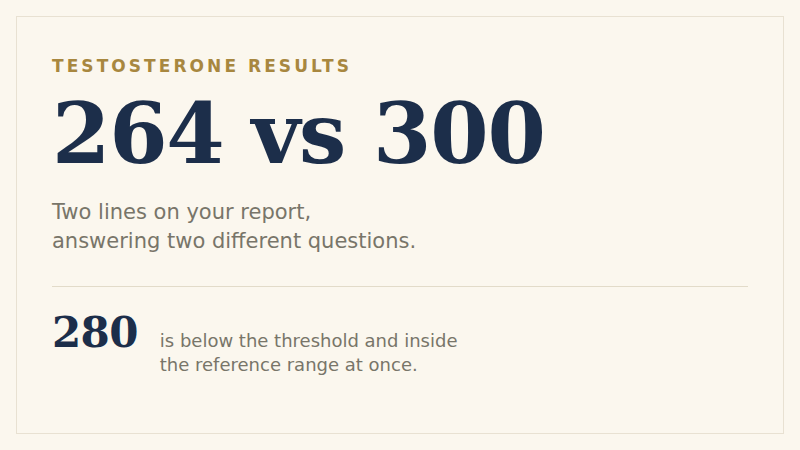
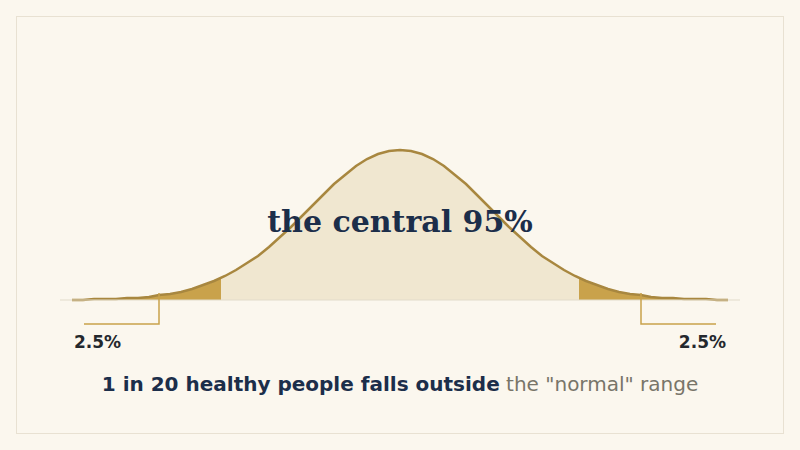
264 is the bottom of the reference range. 300 is the treatment threshold. A man at 280 is below one and inside the other - and both statements are correct.
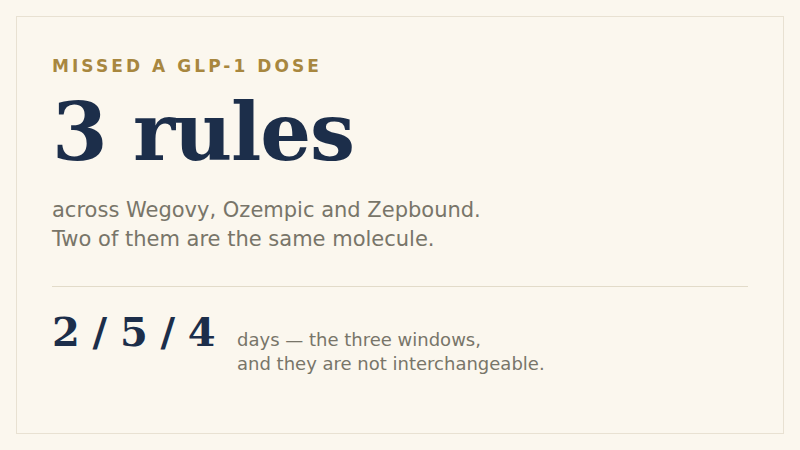
Wegovy, Ozempic and Zepbound each give a different missed-dose instruction, and the first two are both semaglutide. Most advice gives one rule for all three.
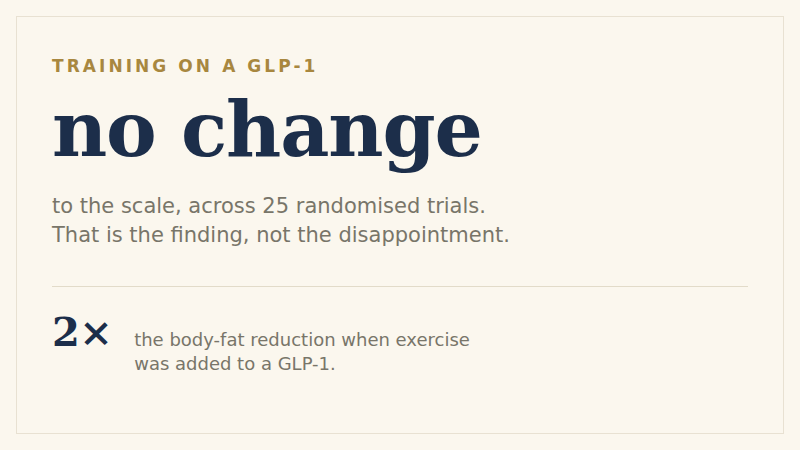
Across 25 randomised trials, adding resistance training to weight loss made no difference to the kilograms. It changed what the loss was made of. On a GLP-1, that distinction is the whole point.
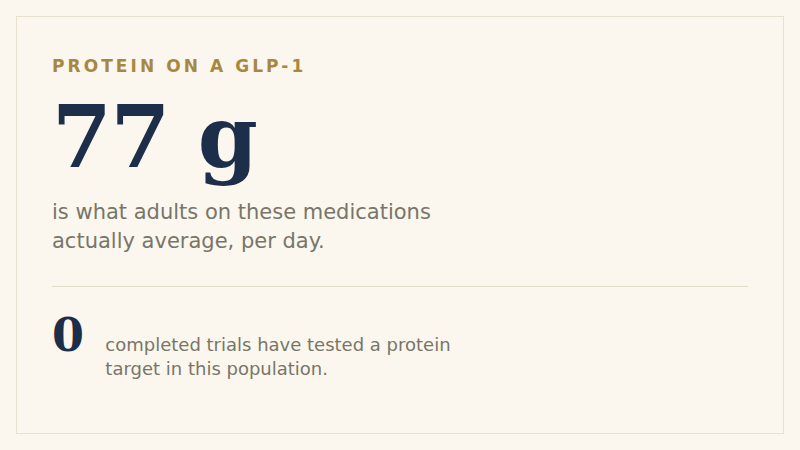
The 1.6 g/kg figure came from resistance-training research in people who weren't dieting. No completed trial has tested a protein target on a GLP-1. Meanwhile, average intake is 77 grams.
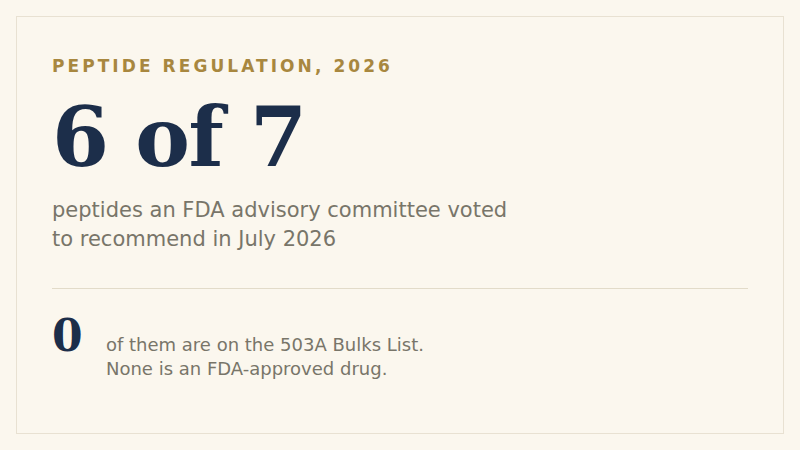
Two things happened in 2026 that got reported as the FDA approving peptides. Neither was that. A plain-English guide to where the rules actually stand.
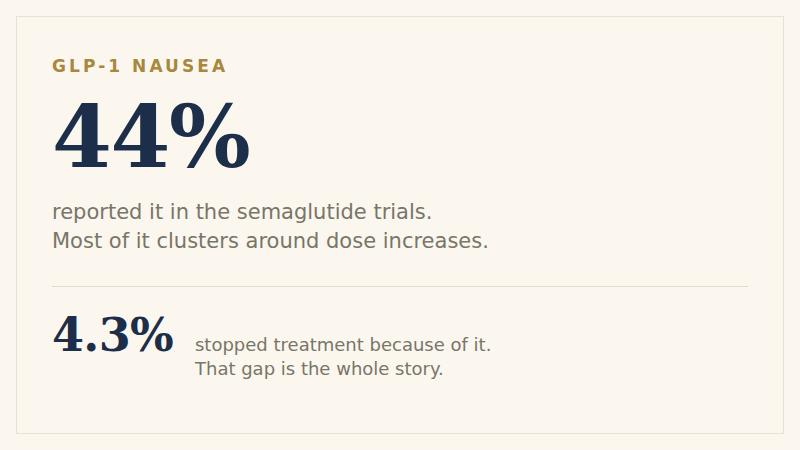
It's the most common reason people quit — and most of the time it didn't have to end that way.
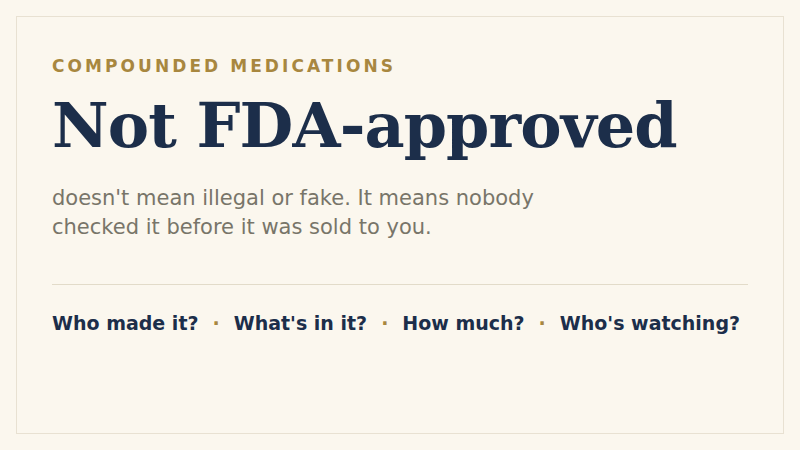
Not a counterfeit, not a generic — a third thing, with its own rules and its own failure modes. What compounding is, what goes wrong, and the four questions worth asking.
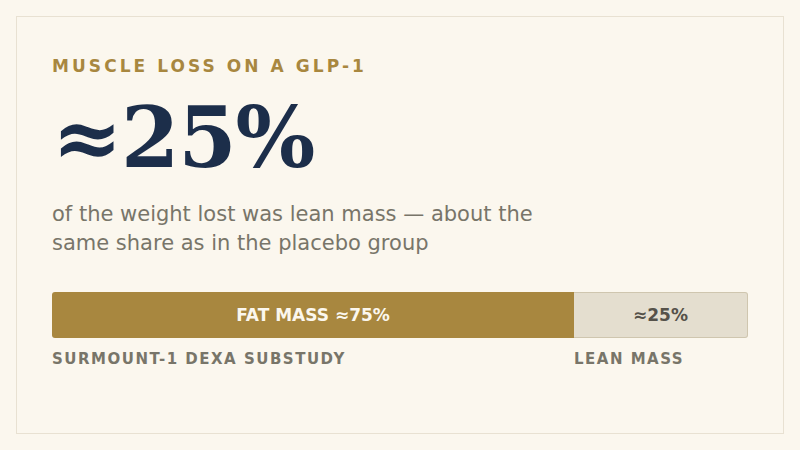
Some lean mass comes off. So does it on placebo, in about the same proportion. What you do while you're losing matters more than which method got you there.
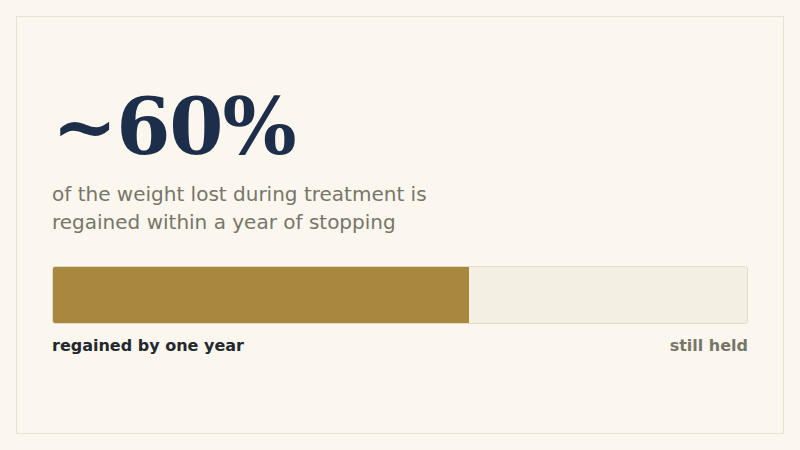
Stopping isn't a cliff back to where you started. It also isn't a plateau at your goal weight. What three trials actually found.
What a reference range actually is, what a baseline catches, and what a service is deciding on your behalf when it skips the bloodwork.
Fatigue and fog are real symptoms - and a poor test for low testosterone. What the guidelines actually require before anyone writes a prescription.
The 2002 headline was true and almost meaningless. What the trial found, what got lost, and who it still isn't right for.
Why "normal labs" don't rule out perimenopause, what the symptoms actually look like across seven body systems, and what else it could be.
Both cause the same core gut symptoms. What the trials actually showed, what both FDA labels warn about, and why titration matters more than the molecule.
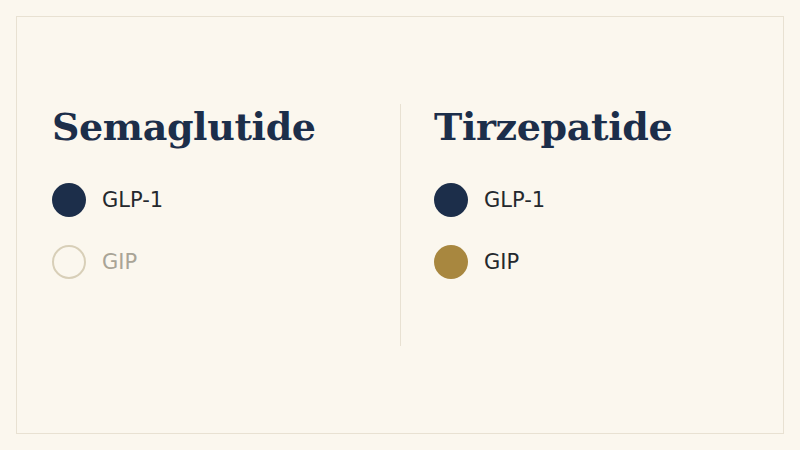
A physician explains how semaglutide and tirzepatide work - GLP-1, GIP, appetite signaling, gastric emptying - and what clinical trials have reported.
After 15 years in emergency medicine, Dr. Leavitt built Billie Jean Health around a simple idea: care that helps you enjoy your life.